
Microscopic Threat, Huge Problems
Pollen grains are biological particles designed by nature to cling, travel, and survive. Under magnification, their surfaces are covered in tiny hooks, spikes, and textured ridges — structural features that help them grab onto insects and float on the wind. Those same features make them uniquely destructive to automotive paint.
Many drivers assume a spring rain shower takes care of pollen naturally but it doesn’t. Rain activates the acidity in whatever pollen remains, leaving behind concentrated acid spots that bake into your finish as the water evaporates.
Pollen attacks your vehicle in two ways at once:
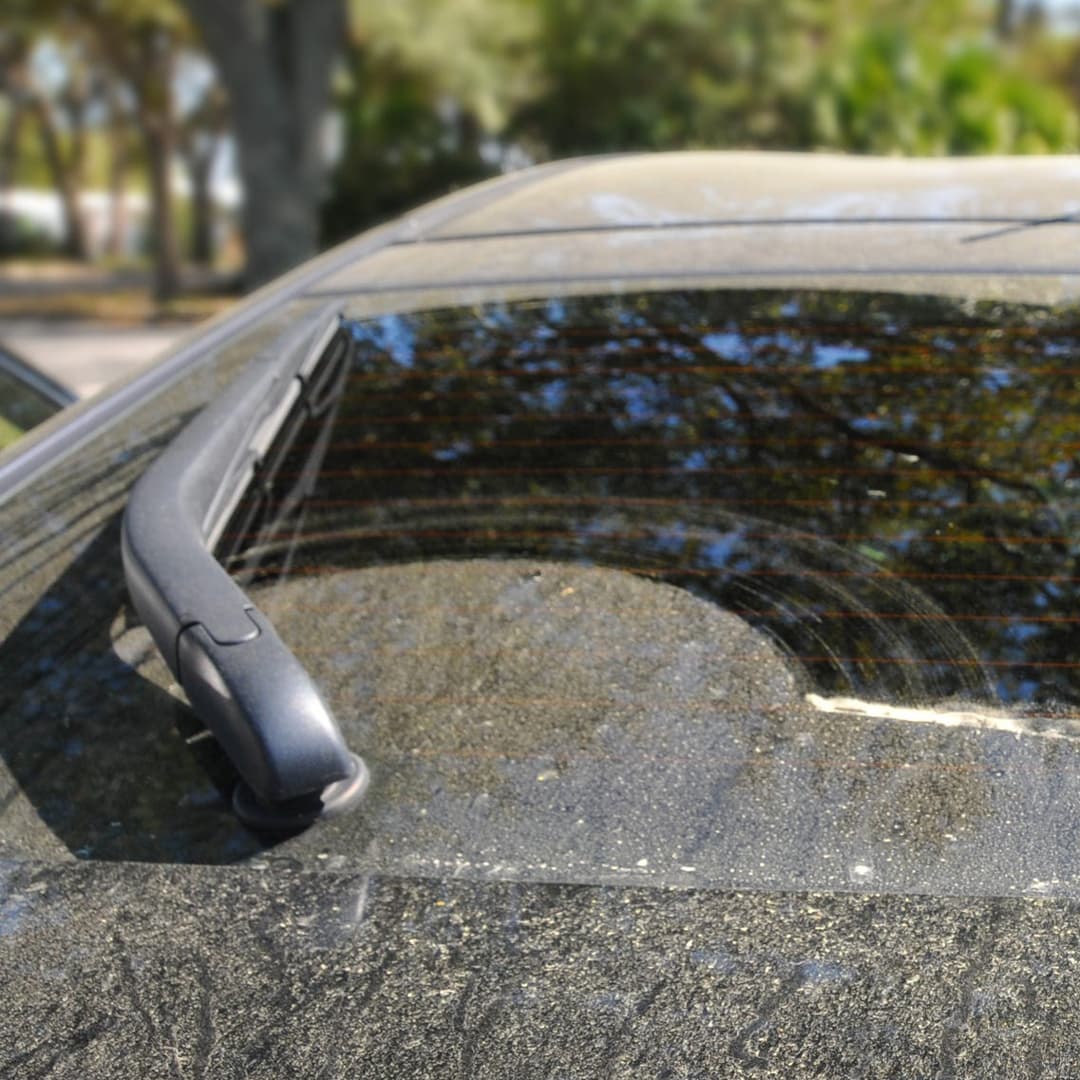
① Mechanical damage
Also called the sandpaper effect, because dry pollen isn’t soft. Give your dusty hood a quick swipe with a dry cloth or even just water from a hose, and you’re grinding those abrasive particles directly into your clear coat, creating swirl marks and micro-scratches that dull your finish over time.
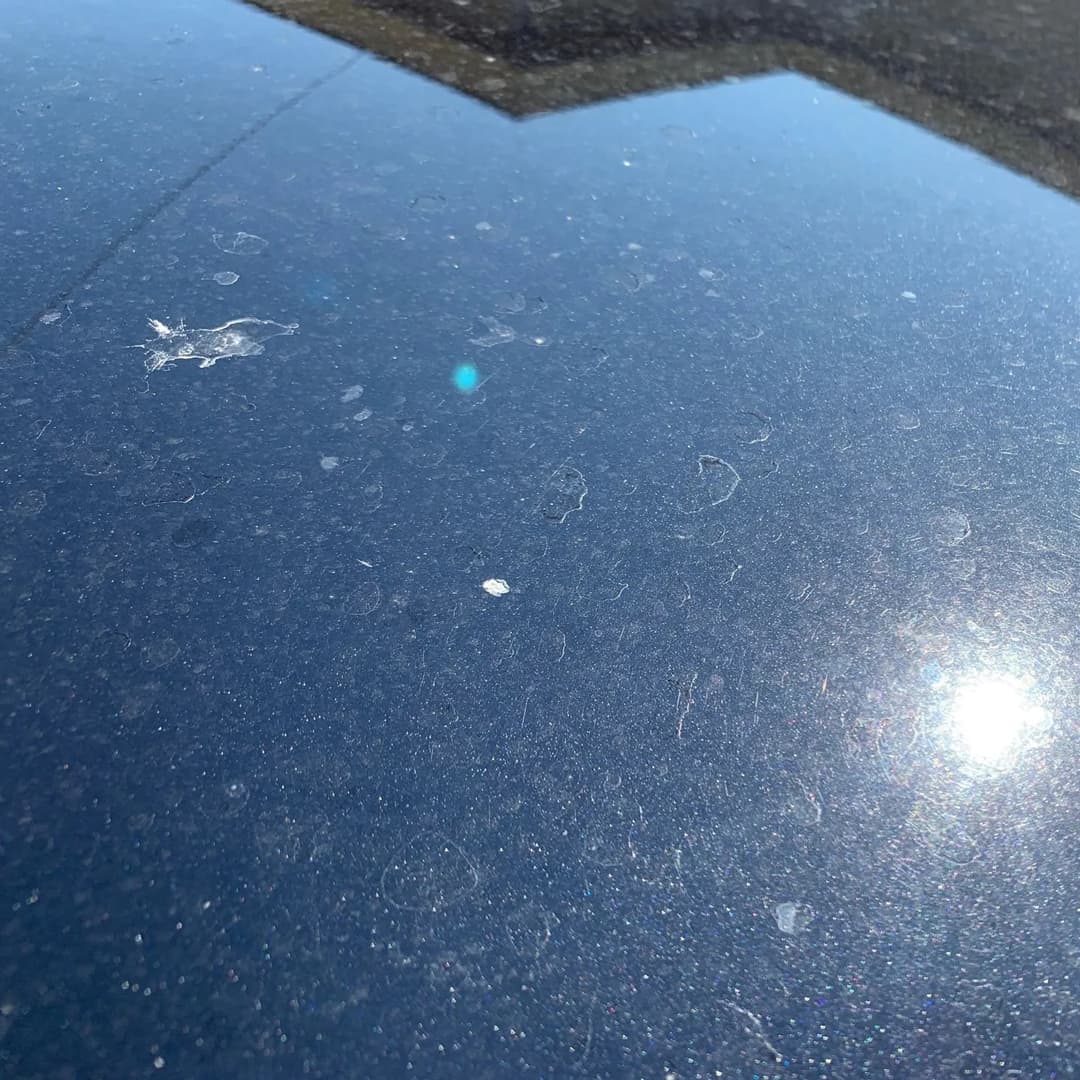
② Chemical damage
Or the acid etch. Pollen’s most destructive property activates the moment it gets wet. Morning dew, a light rain shower, or washing the car in the driveway, any moisture triggers an acidic reaction. The longer pollen sits on your car, the deeper those acids work into your paint’s surface, causing pitting, fading, and eventually clear coat failure.
Why The Junction Gets Hit Harder
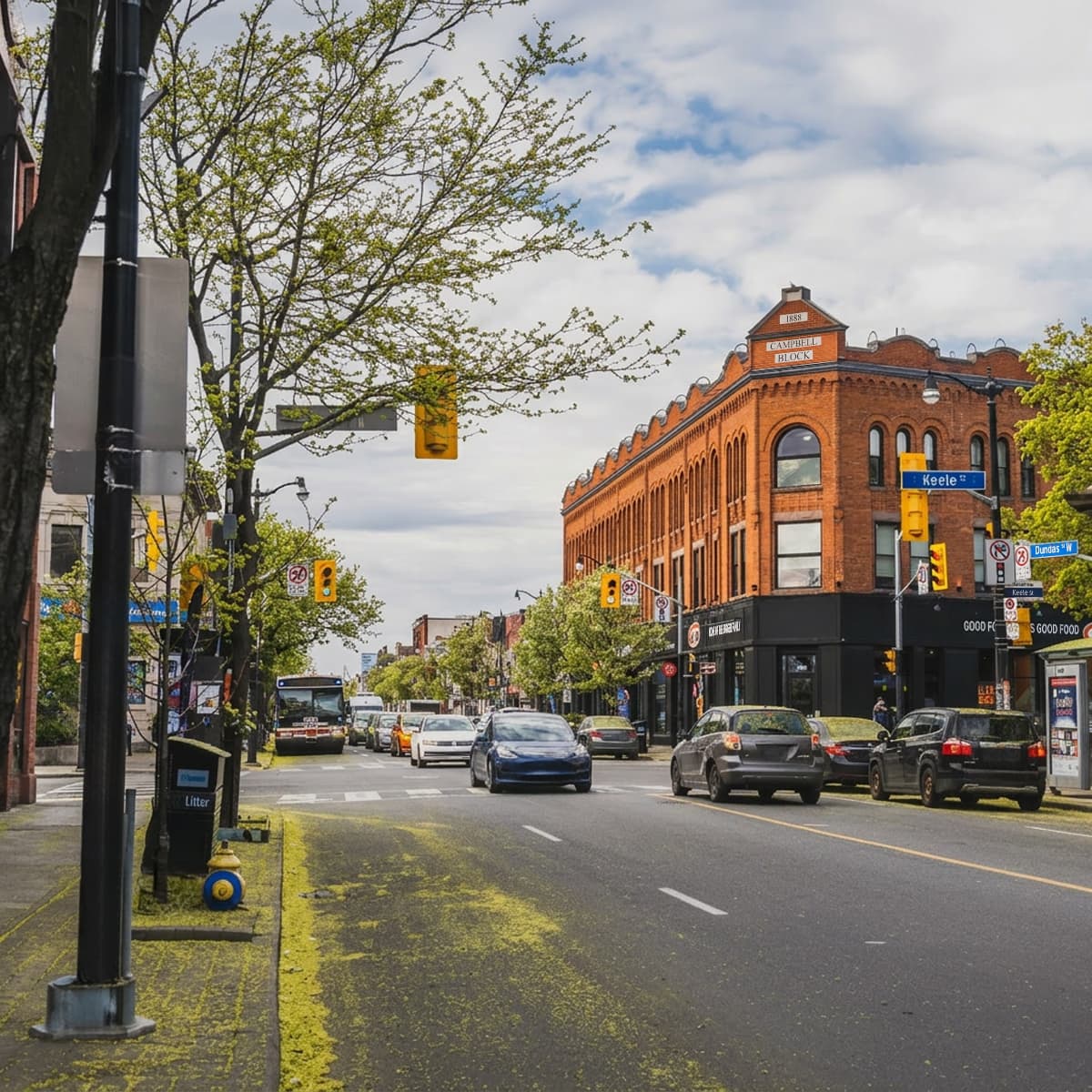
If you live or park anywhere near Dundas Street West, your car is in a pollen hot zone.
High Park sits minutes from our bright blue building at 3193 Dundas St W. It’s one of Toronto’s great natural treasures, and one of the most intense pollen production zones in the city. The park’s forests are dominated by Black Oak, Red Oak, White Birch, Red Maple, Silver Maple, White Ash, and Eastern Hemlock. These are wind-pollinated species, meaning they release massive quantities of lightweight pollen designed to travel on spring breezes.
Add in the street trees that line Junction neighbourhoods: the Norway Maples, the Siberian Elms, the ashes, and you’ve got a concentrated pollen environment that settles directly onto any vehicle parked outdoors.
Toronto’s tree pollen season runs from mid April to end of June, with May and June as the true peak. During this window, oak, birch, and maple pollen dominate the air. Birch and oak are classified as “extremely allergenic”, and they’re also among the most acidic for automotive finishes.
The science backs up what your watery eyes already know: Canada’s pollen counts have nearly doubled in the last 25 years, jumping from roughly 500,000 grains to just under one million annually. Pollen season is also stretching approximately 20 days longer than it did three decades ago. That’s a significantly larger window of exposure for your vehicle every spring
The Solution: Wash Smarter, Wash More Often
If there’s one thing to remember from this article, let it be this: never wipe dry pollen off your car.
During peak pollen season in Toronto, the recommendation from automotive care specialists is to wash your vehicle every 3 to 7 days, or immediately after heavy pollen events, rain, or windy days. Some experts go further, recommending two to three washes per week during the worst of the season to stay ahead of the acidic buildup.
We’ve been around for almost 5 decades so we understand, especially in today’s economy, individual wash tickets add up fast. So this is precisely where our unlimited membership makes sense, saving you dollars and the peace of mind of a clean, protected car.
How Turtle Wax™Fire & Ice Neutralizes the Pollen Threat
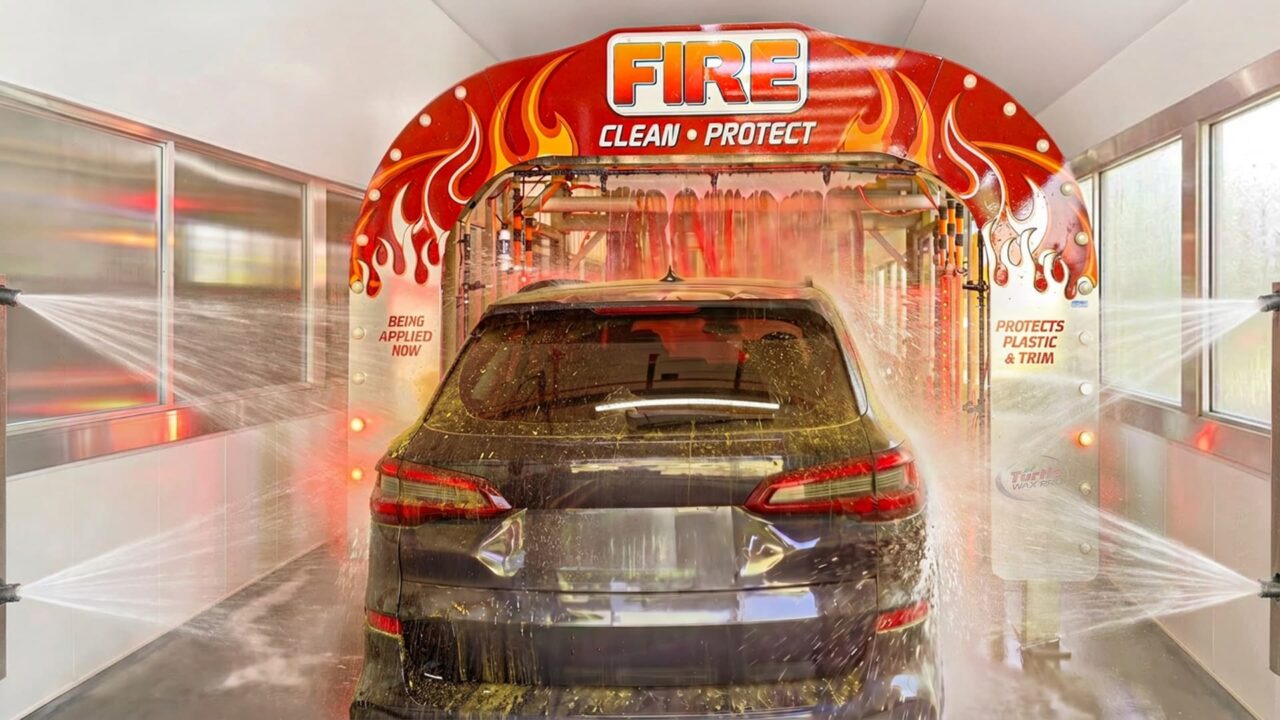
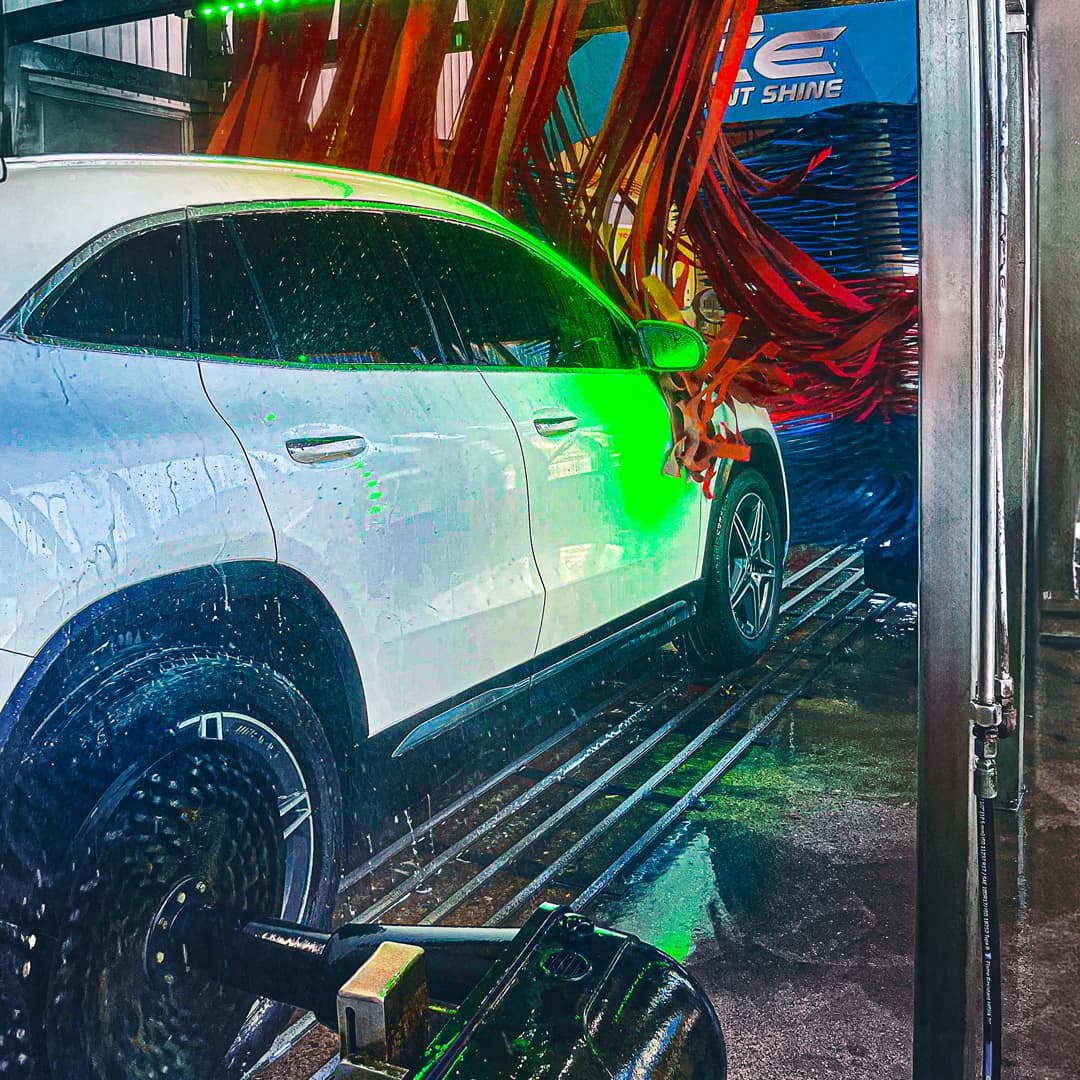
At Junction Car Wash, we run a 100+ foot soft-cloth tunnel using name brand hi-tech solutions like Turtle Wax™professional-grade chemistry, and the Fire & Ice system is purpose-built!
Turtle Wax™Lava Fire Shield
With a slightly low pH and an anionic charge, Fire Bath is formulated to lift large particulate soils — like pollen grains embedded in your clear coat — at the very start of the wash process, before any friction is applied. This deep surface cleaning is critical during pollen season because it loosens and removes pollen before mechanical washing begins, minimizing the risk of micro-scratches.
Turtle Wax™Ice UV
Instant Shine is the finishing shield. It creates a hydrophobic barrier, making it physically harder for pollen grains to bond on contact. They’re more likely to rinse away with water, and any that remains is far easier to remove during your next wash.
Turtle Wax™Super Hard Ceramic Shell Finish
For the ultimate defence, Turtle Wax™Super Hard Shell Ceramic Finish, included in our Ceramic Works package, increases that hydrophobic effect even further. It protects paint from UV rays, enhances gloss, and provides lasting sealant power that compounds with every wash.
We invite you to experience the difference that professional-grade Turtle Wax™products can make for your vehicle. Drive in to our location at 3193 Dundas St W in the heart of The Junction neighbourhood, just minutes from High Park. Our attendants will greet you, help you choose the package that fits your needs, and get you through our 100-foot soft cloth tunnel with 100% fresh water.