
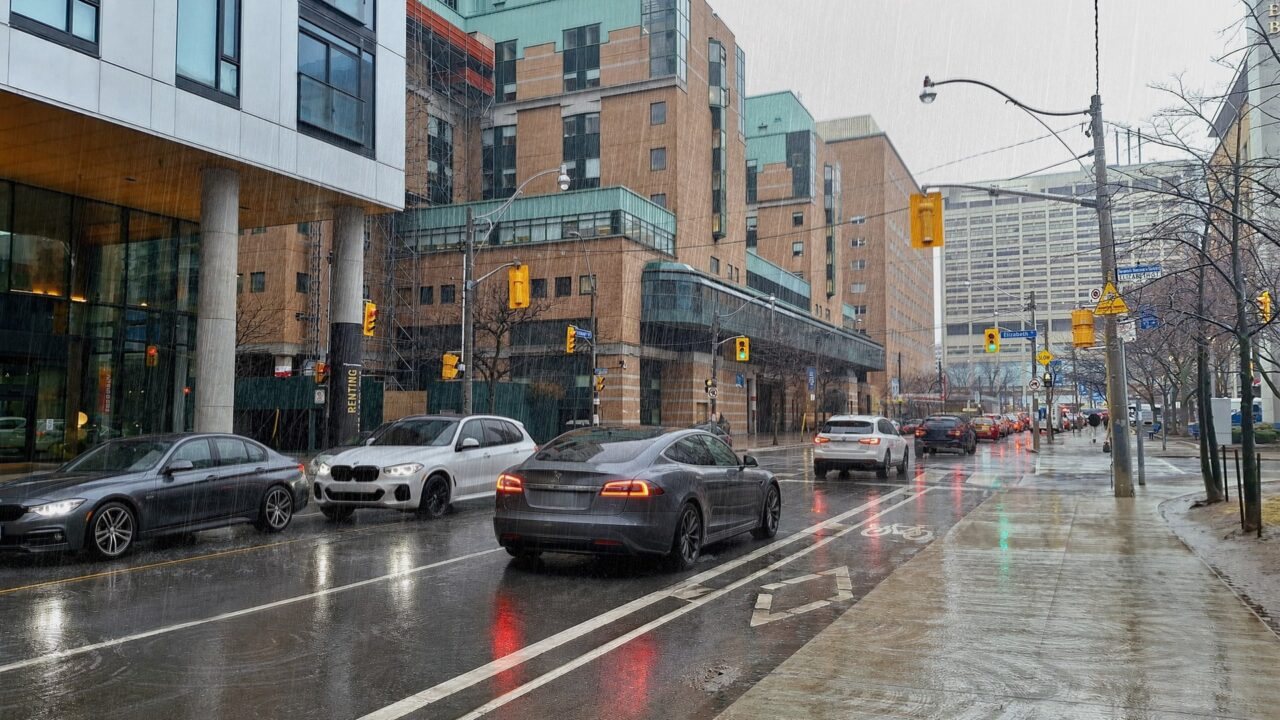
It happens every October. The forecast says rain, and somewhere in the back of your mind a little voice goes: great, free car wash. You skip the trip to Dundas St W, let the sky do the work, and figure your hood will look better by Wednesday.
It won’t. And if you look closely enough after the clouds clear, it might actually look worse.
Rain Doesn’t Fall Through Clean Air
Here’s the part that surprises most drivers: rain isn’t pure by the time it hits your car. On its way down through a city’s atmosphere, it picks up dust, soot, and airborne pollutants from traffic, construction, and general urban haze. None of that gets left behind at the cloud line, it rides the raindrop all the way to your hood. (Curious how that works? Here’s a primer on acidic rain.)
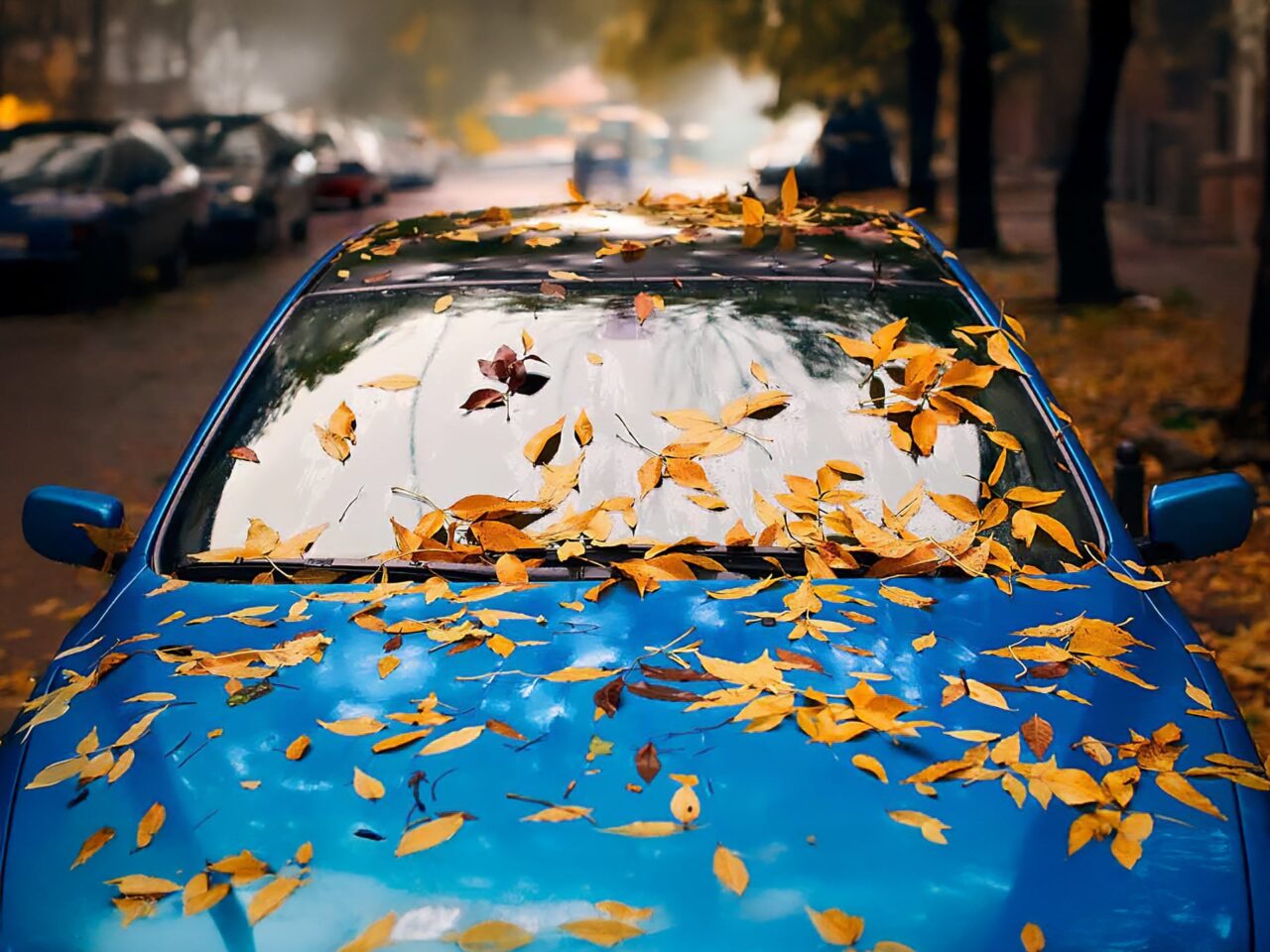
Now add autumn to the mix. Along tree-lined streets in The Junction, Bloor West, and Baby Point, damp air is already carrying leaf tannins and sap residue from decomposing leaves. A fall rain doesn’t fall onto a clean car and rinse it. It falls onto a car that’s already dusted with pollutants, dissolves whatever’s sitting there, and spreads it around before evaporating. We covered the leaf side of the problem in Can Falling Leaves Damage Your Car’s Paint?
That’s the trick people miss. Rain doesn’t remove the grime, it activates it.
Where Water Spots Actually Come From
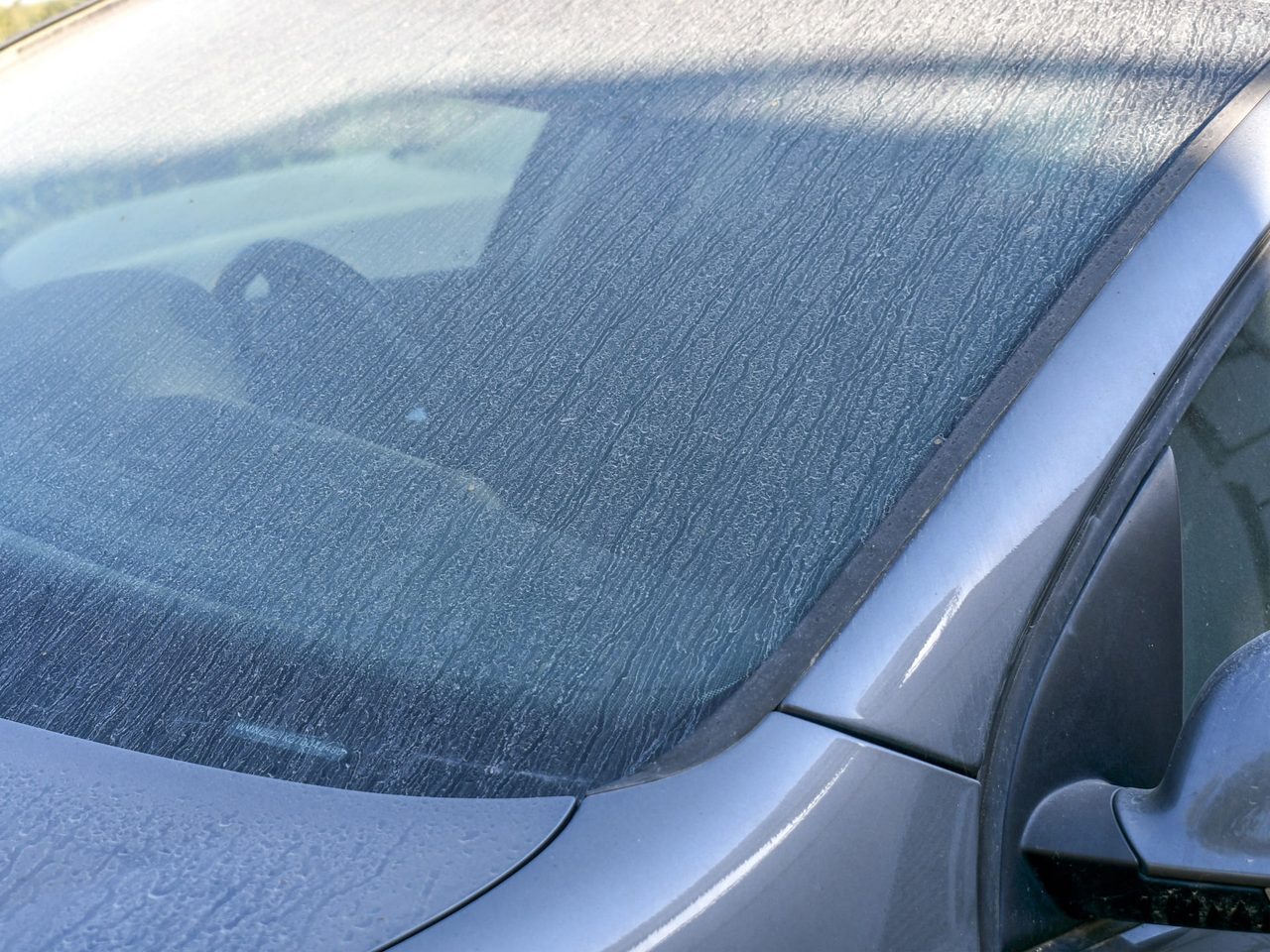
Every raindrop that lands on your car is carrying dissolved minerals and fine particulates, even if the water itself looks perfectly clear. As those droplets sit on your hood, roof, and windshield and slowly evaporate, the water disappears into the air, but the minerals and particulates it was carrying don’t go anywhere. They stay behind, concentrated into the exact shape of the droplet, etched into a tiny ring on your clear coat.
One water spot on its own is barely noticeable. A whole windshield’s worth, baked in by a few days of weak autumn sun, is a hazy film that no amount of wiper fluid will fix.
Did You Know?
The lower, angled autumn sun actually makes water spots more visible than summer glare does. It hits your hood at exactly the wrong angle to catch every etched ring.
Parking Under Trees Makes It Worse, Not Better
It feels like shelter. It’s actually a trap. Rain that runs off tree canopies picks up sap, residue, and whatever pollen or dust was sitting on the leaves above your car, then drips that concentrated mix directly onto your hood and roof, often for hours after the rain itself has stopped. Pollen does the same kind of damage in spring, as we explained in Pollen Is Pullin’ a Fast One on Your Car’s Paint.
So What Should You Actually Do After It Rains?
Wash your car, not despite the rain, but because of it. A wet week is exactly when your paint has the most sitting on it, and the longer that film sits, the more time it has to etch in. Keep an eye on the Environment Canada forecast and plan your wash for the first dry morning.
At Junction, two products handle this in sequence.

Turtle Wax Lava Fire Shield
Goes to work first, lifting embedded mineral film and airborne particulate before any brush or cloth ever touches your paint.

Turtle Wax Ice UV Instant Shine
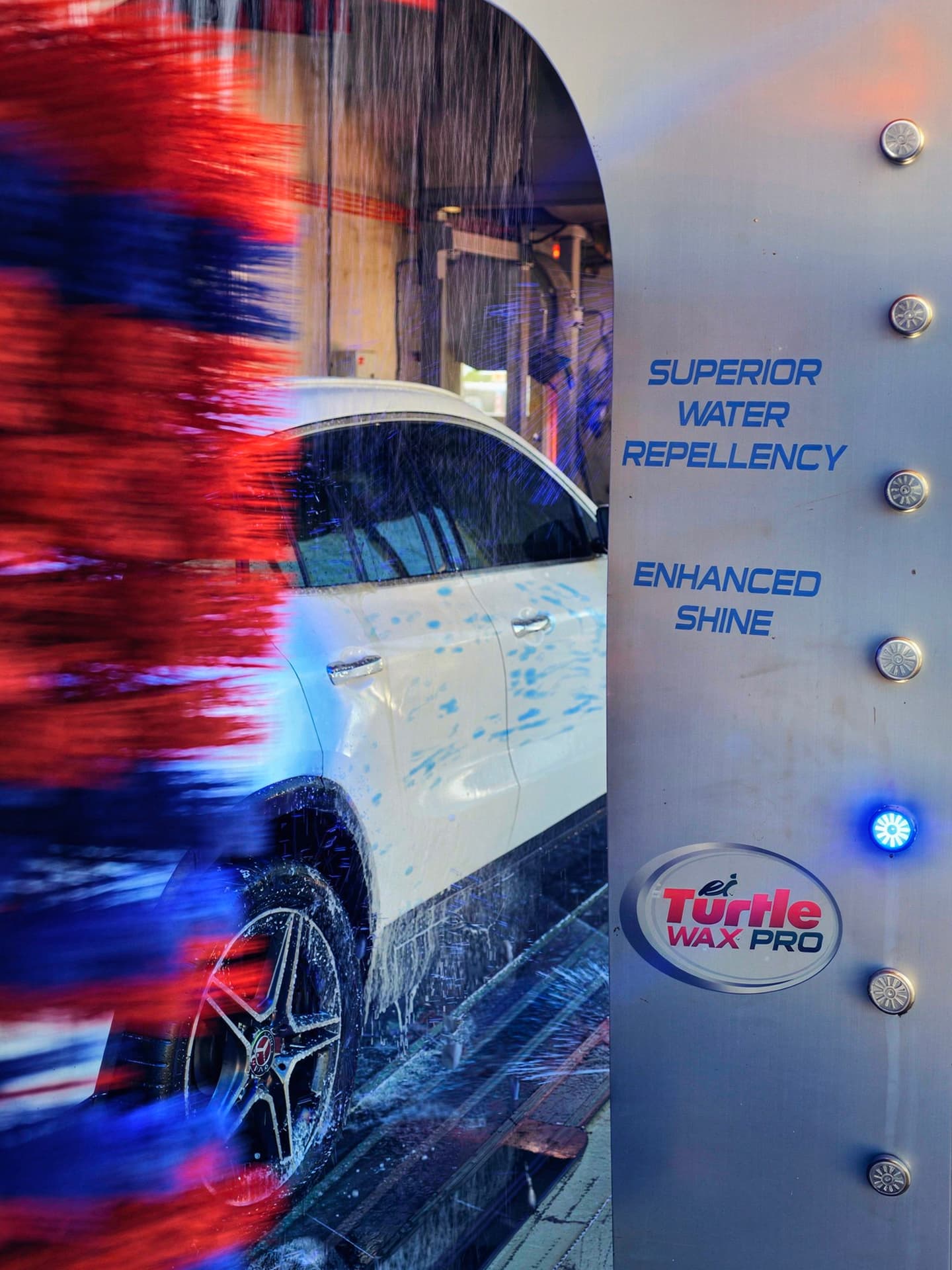
Finishes the job with a hydrophobic barrier, so the next round of rain beads up and rolls straight off instead of sitting there evaporating into another ring of spots. See which wash package includes them.
Pro Tip
After a rainy week, run your hand lightly over the hood before you decide whether it “looks fine.” Water spots are often easier to feel than to see.
Why Washbooks Are Built for Exactly This
Toronto weather doesn’t check your calendar before it decides to rain. A Washbook means you’re not deciding whether tonight’s shower is “worth” a $20 wash, you’ve already got washes paid for and sitting ready, so pulling in the morning after a wet week is a five minute stop, not a purchase decision.
Rain isn’t the enemy. Ignoring what it leaves behind is.